Bathroom Lighting: How to Get It Right
LEARN
A guide to choosing bathroom lighting that balances function, atmosphere, and good design.
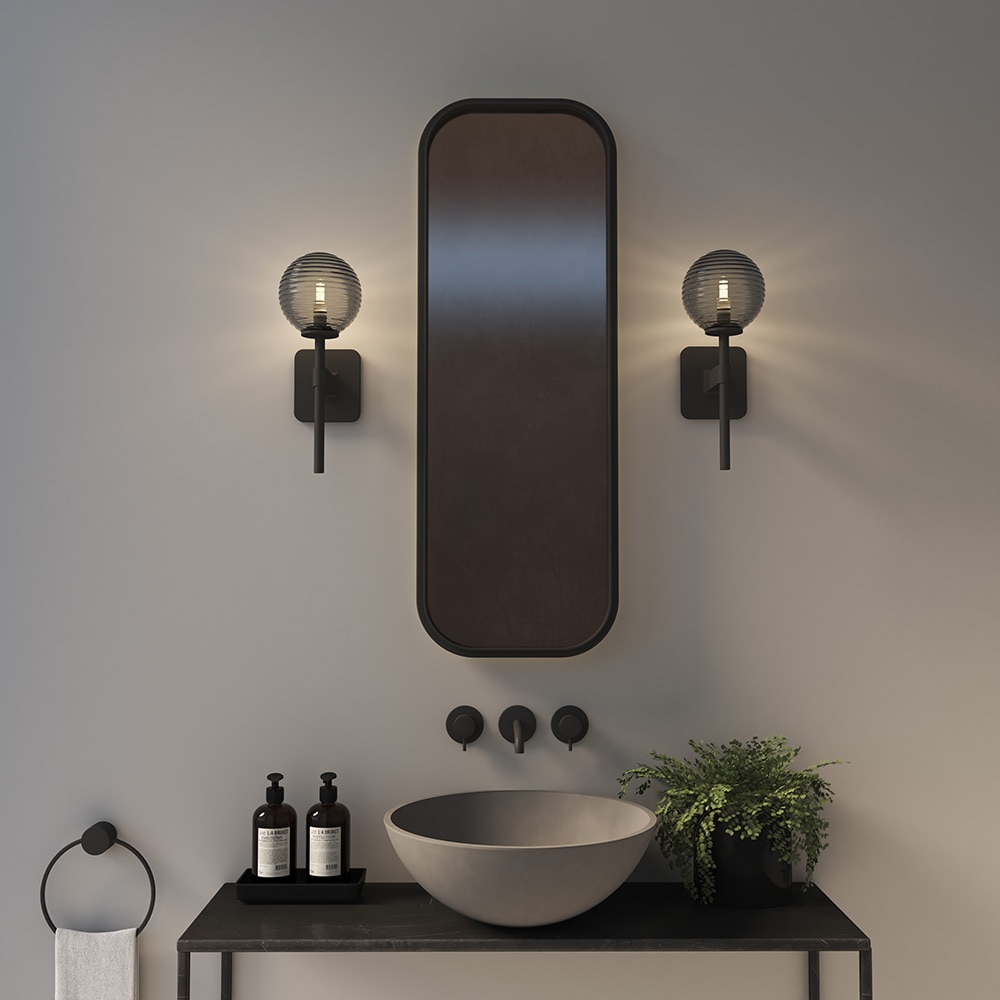
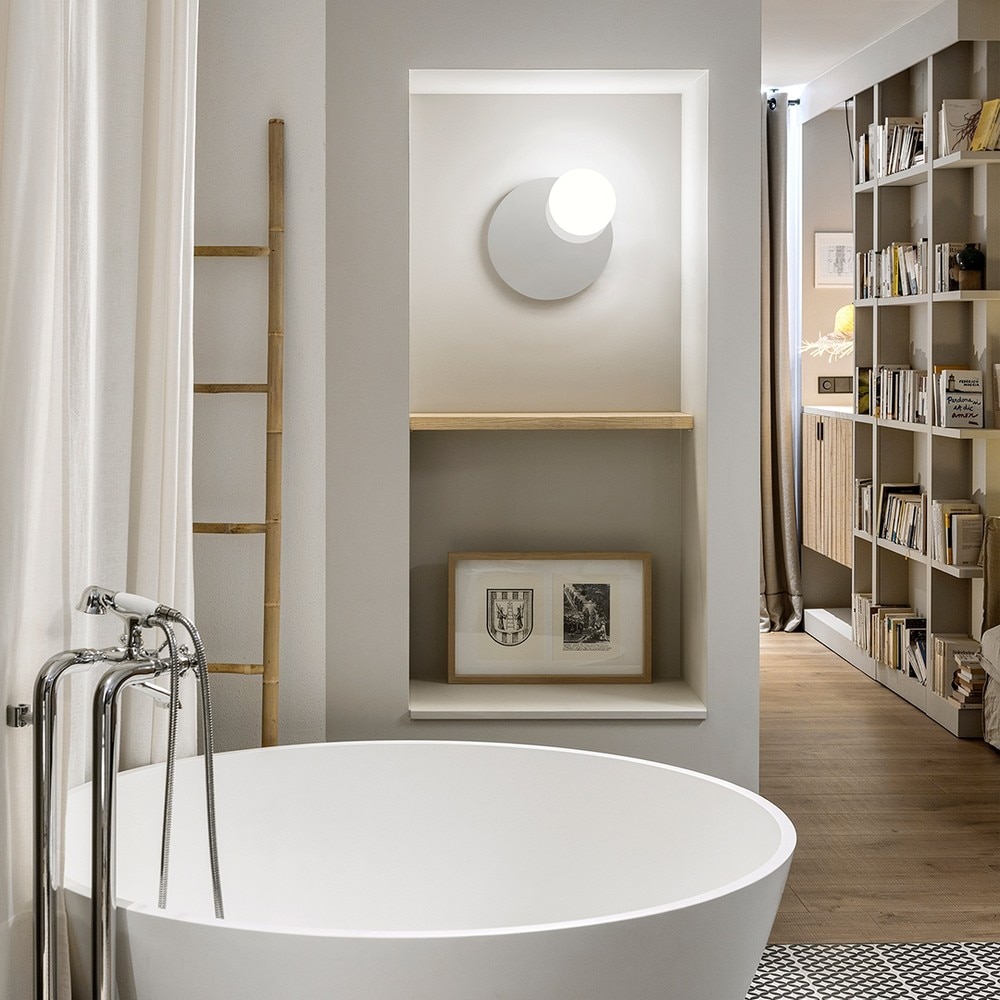
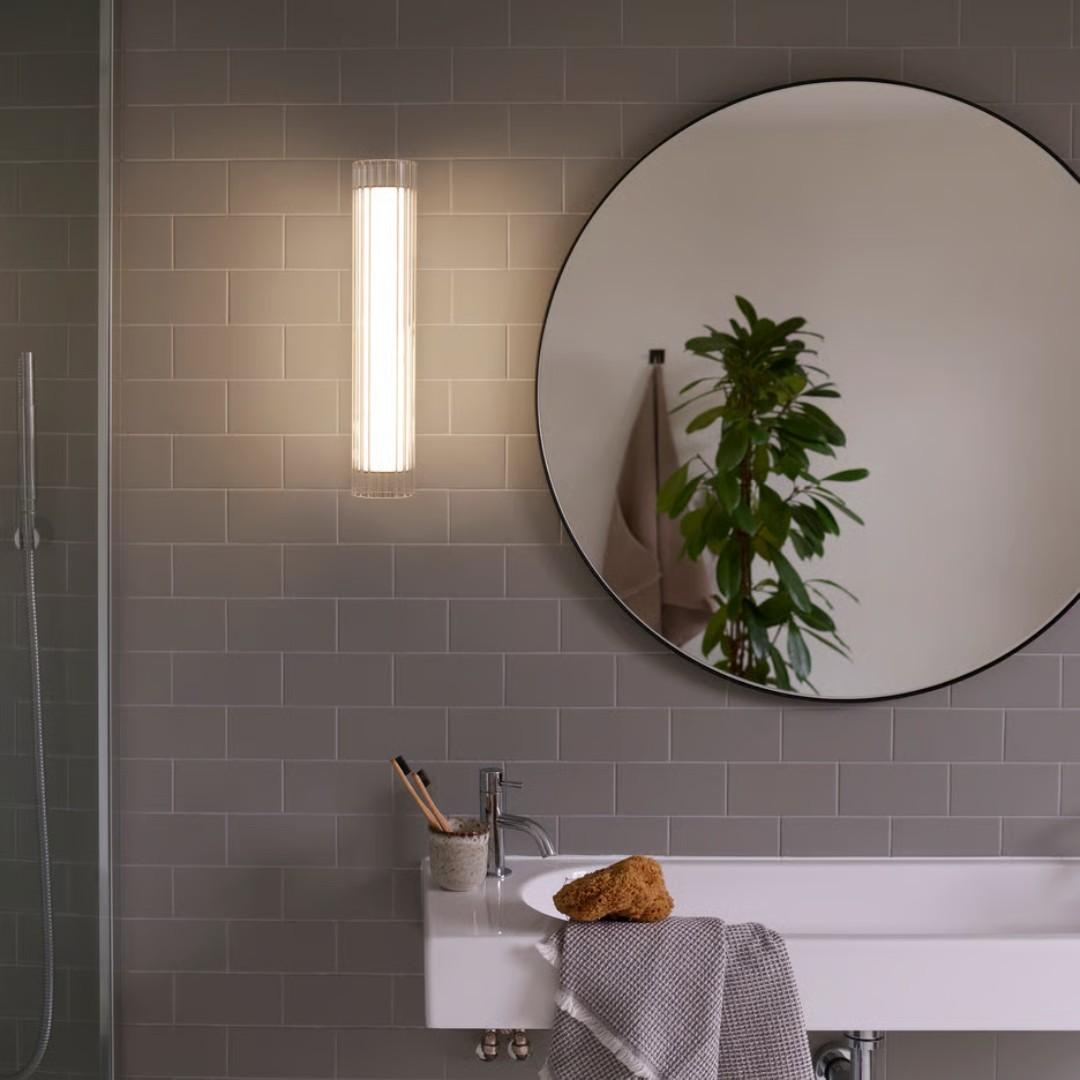
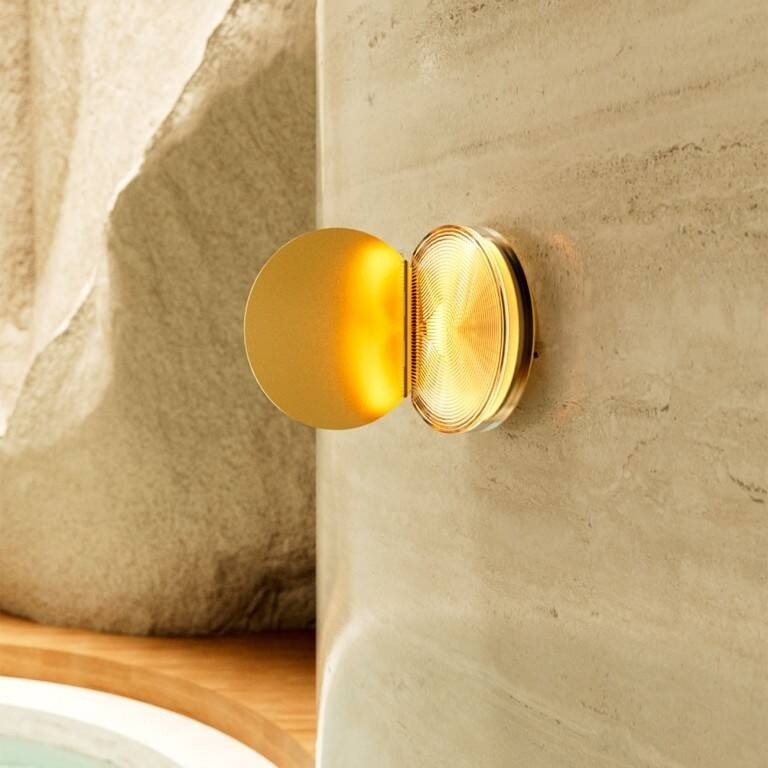
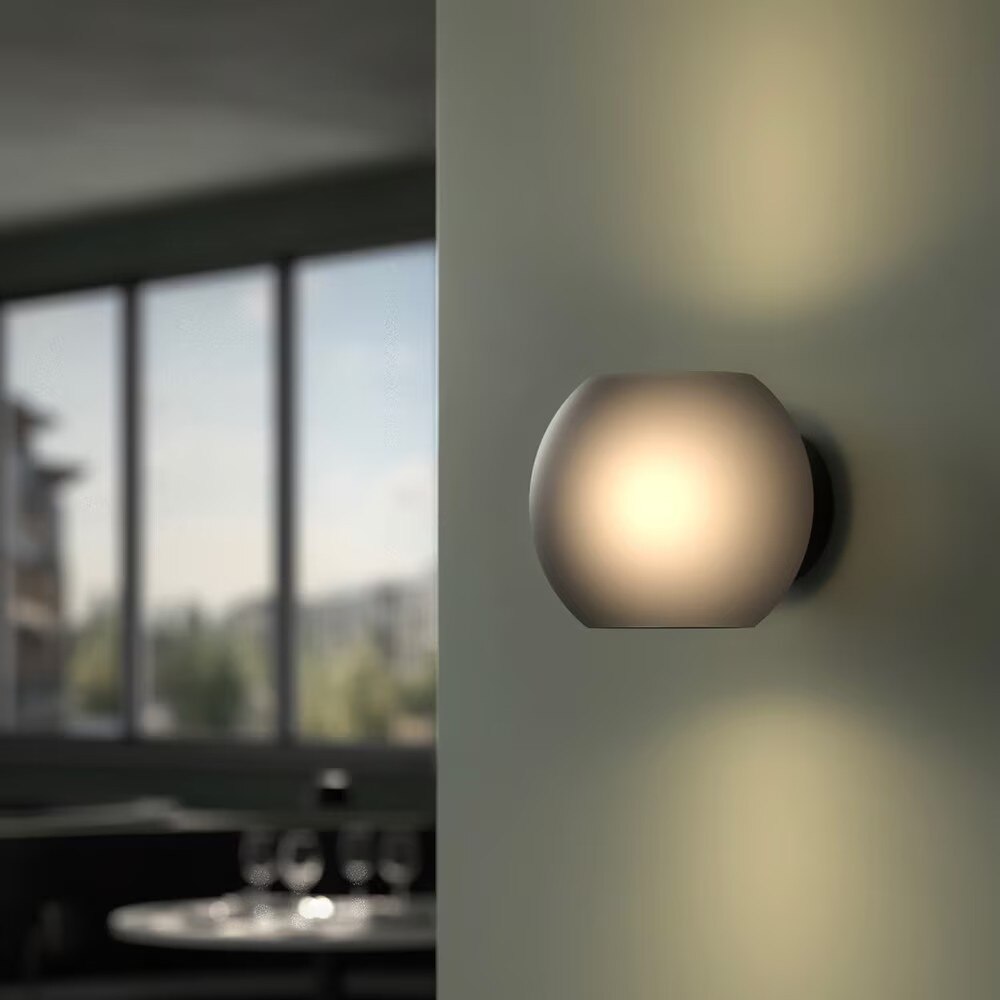
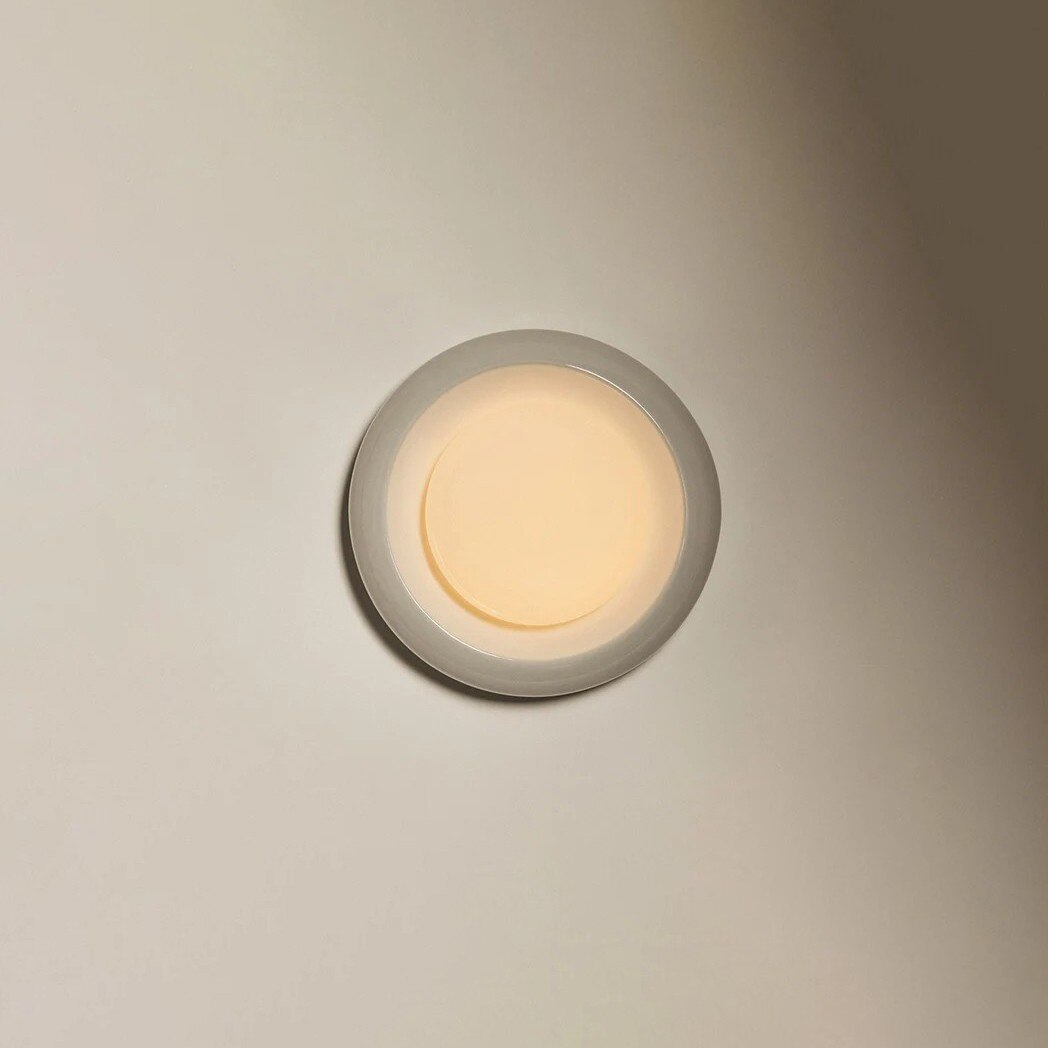
Io Wall Light by Astro Lighting
The bathroom is one of the hardest-working rooms in the home. It's where we get ready to face the day, and often where we go to unwind from it. Good lighting needs to accommodate both. It needs to provide clarity when we need it and a softer, more relaxing atmosphere when we don't.
But bathroom lighting comes with its own considerations. Between mirrors, reflective surfaces, moisture, and the practical demands of everyday routines, choosing the right fixtures requires a little more thought than simply finding something that looks good. Luckily, you don't have to compromise on design to get the functionality right.
Shop Bathroom Lighting
Step 1. Start with how you use the space
Before choosing fixtures, think about what your bathroom needs to do. A busy family bathroom has different lighting requirements from a guest powder room. An ensuite might need bright, functional lighting for morning routines, but should also feel inviting when you're winding down in the evening.
The most effective bathroom lighting schemes combine different layers of light:
-
Ambient lighting provides general illumination and helps you navigate the room comfortably.
-
Task lighting delivers focused, practical illumination for activities like shaving, applying makeup, and getting ready.
-
Accent lighting adds visual interest, highlights architectural details, and creates atmosphere.
Not every bathroom needs a fixture dedicated to each function. In smaller spaces, thoughtfully positioned wall lights can perform more than one role. The goal is to give yourself flexibility, so the bathroom feels equally considered at 7 AM and 9 PM.
For a more detailed approach to planning your space, explore our earlier guide, How To: Bathroom Lighting.
Step 2. Give your mirror the attention it deserves
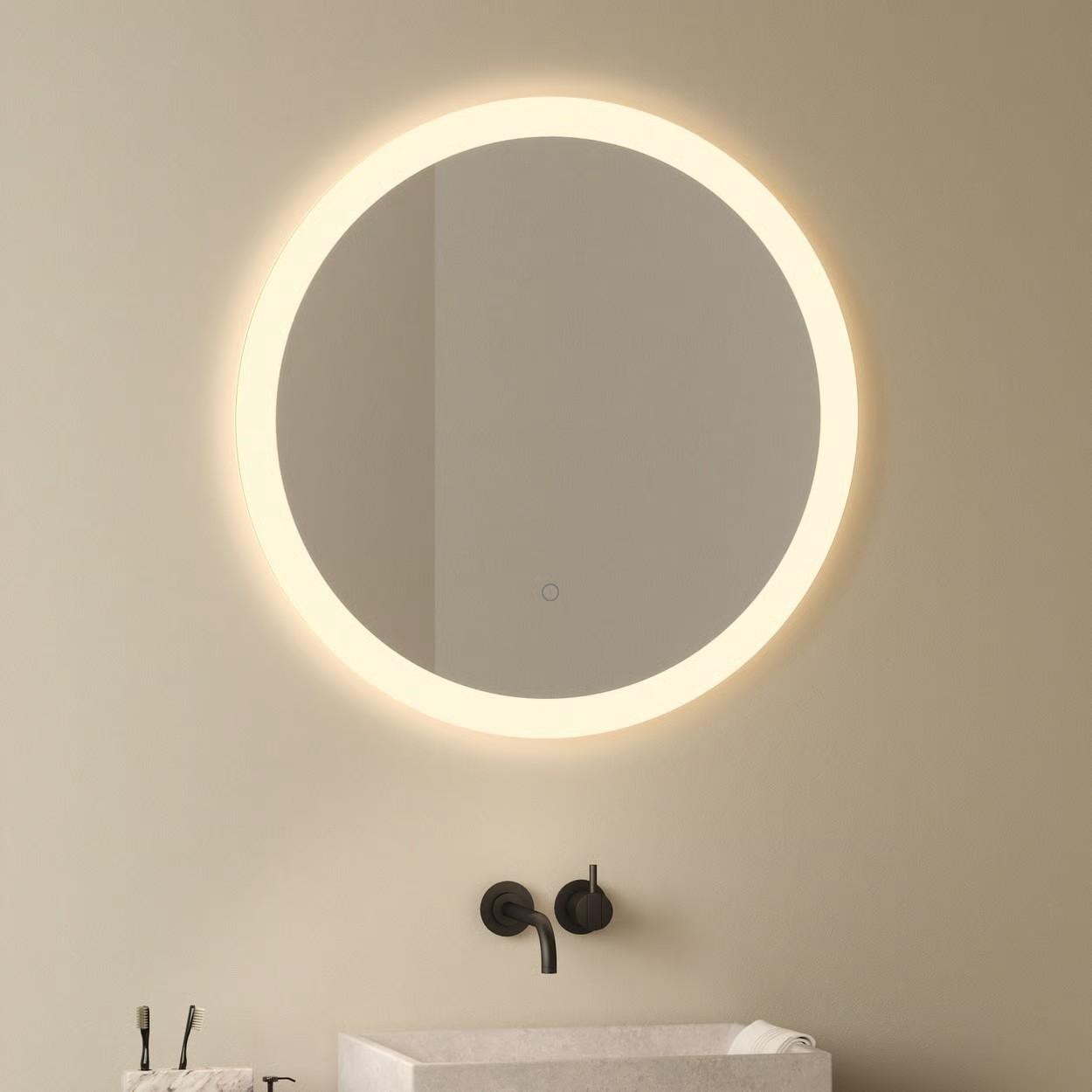
Ascot Round 30 Mirror by Astro Lighting
The vanity is where lighting placement makes a particularly noticeable difference. A single overhead light may illuminate the room, but it can also cast unflattering shadows beneath the eyes, nose, and chin. For everyday grooming, lighting that reaches the face more evenly is far more useful.
Wall sconces positioned on either side of a mirror are a classic solution. They distribute light more evenly across the face and help minimize harsh shadows. For larger mirrors or double vanities, a combination of vertical lighting and overhead illumination can provide additional coverage.
An illuminated mirror offers another option, integrating lighting directly into the vanity area for a clean, streamlined appearance.
Consider the scale of the mirror, the height of the people using it, and the direction of the light. A beautiful fixture won't be particularly helpful if it's positioned where it creates glare or leaves your face in shadow.
Step 3. Think about light quality, not just brightness
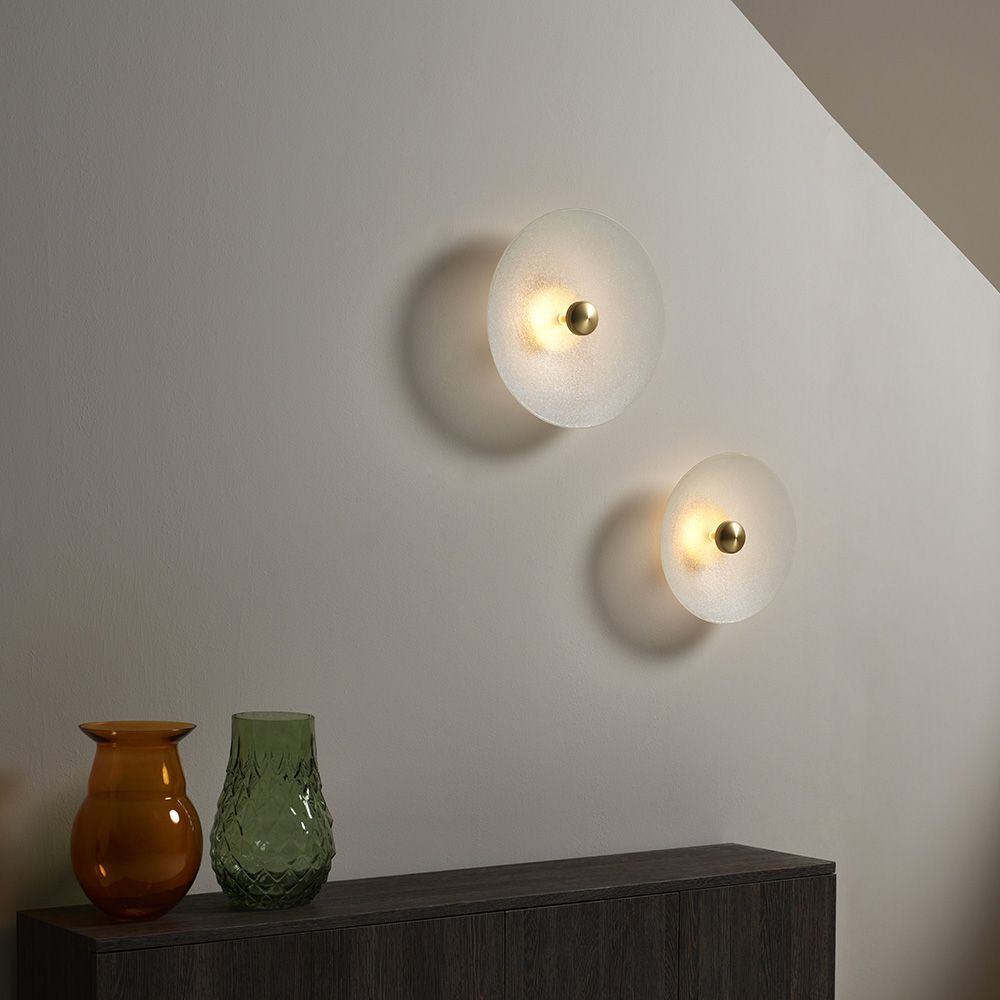
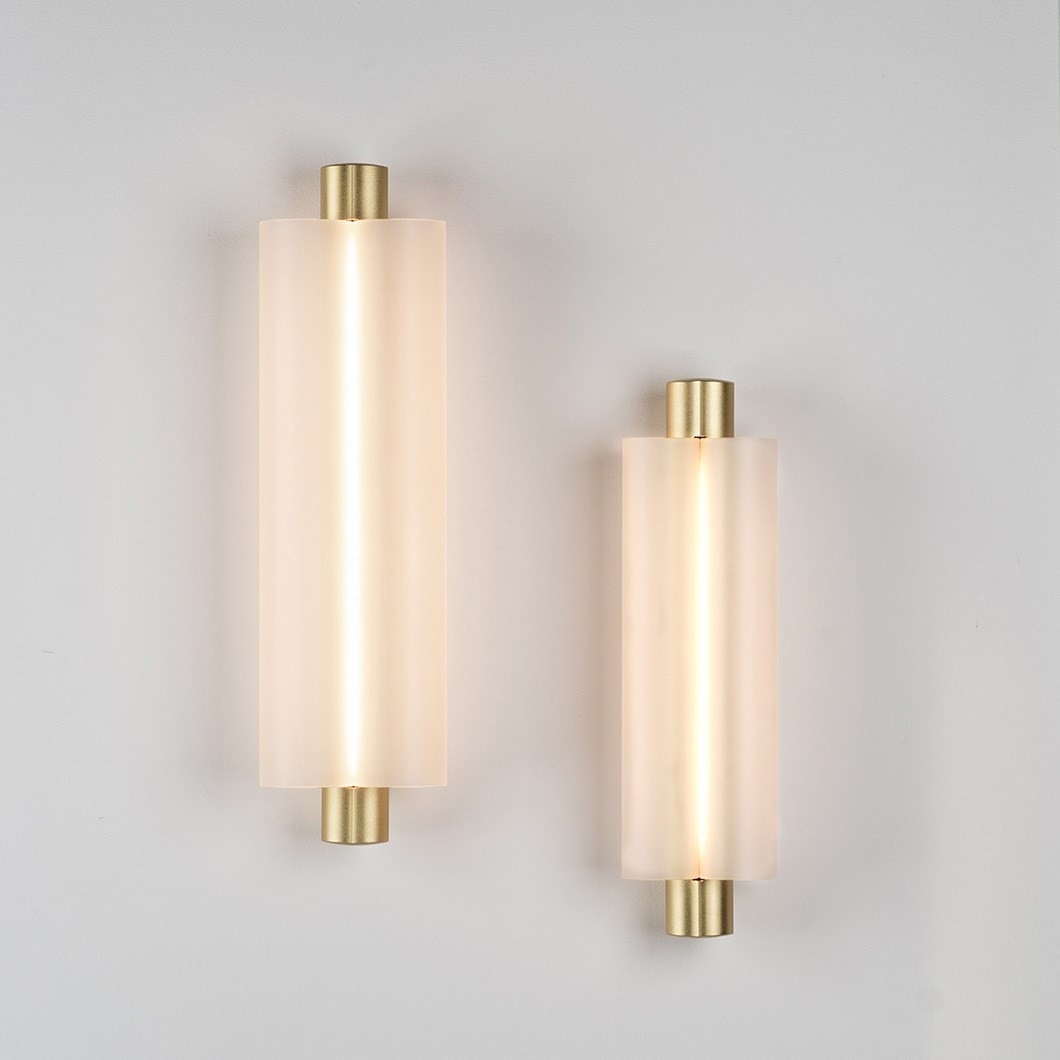
Poudrier Wall by DCW éditions
More light doesn't necessarily mean better lighting. Colour temperature, colour rendering, diffusion, and dimming all affect how a bathroom looks and feels.
Colour temperature determines whether light appears warm or cool. Warm white lighting around 2700K creates a softer, more relaxing atmosphere, while 3000K offers a slightly crisper appearance that works well for many bathrooms.
Colour rendering affects how accurately colours appear under artificial light. This is particularly important at the vanity, where you want skin tones, makeup, and clothing colours to look natural. Look for a high Colour Rendering Index (CRI), ideally 90 or above.
Diffusion influences how comfortably light is distributed. Frosted glass, opal diffusers, and indirect light sources can help soften brightness and reduce glare, especially in rooms filled with reflective surfaces.
Dimming is another valuable consideration. Being able to adjust the brightness makes it easier to transition between functional morning lighting and a more relaxed evening atmosphere.
Step 4. Understand moisture ratings before choosing your fixtures
Metropol Wall by Rakumba
Bathrooms introduce a technical consideration that other rooms don't always require. And that’s water. Not every light is designed to withstand moisture, condensation, or direct splashes, which is why it's important to understand a fixture's IP rating before deciding where to install it.
IP stands for Ingress Protection. The rating consists of two digits: the first indicates protection against solid objects and dust, while the second indicates protection against water.
For example, an IP44-rated fixture is protected against splashing water, while IP65 indicates a higher level of protection against dust and water jets.
The level of protection required depends on where the fixture will be installed and the applicable electrical regulations. Lighting near a shower or bathtub generally needs greater protection than a decorative sconce in a dry area of a powder room.
Importantly, a fixture's appearance doesn't tell you whether it's suitable for a wet or damp location. Always check the manufacturer's specifications, the fixture's approved location rating, and local electrical requirements.
For a deeper explanation, read our guide to Cracking the Code: IP Ratings.
Step 5. Bring personality with materials and finishes
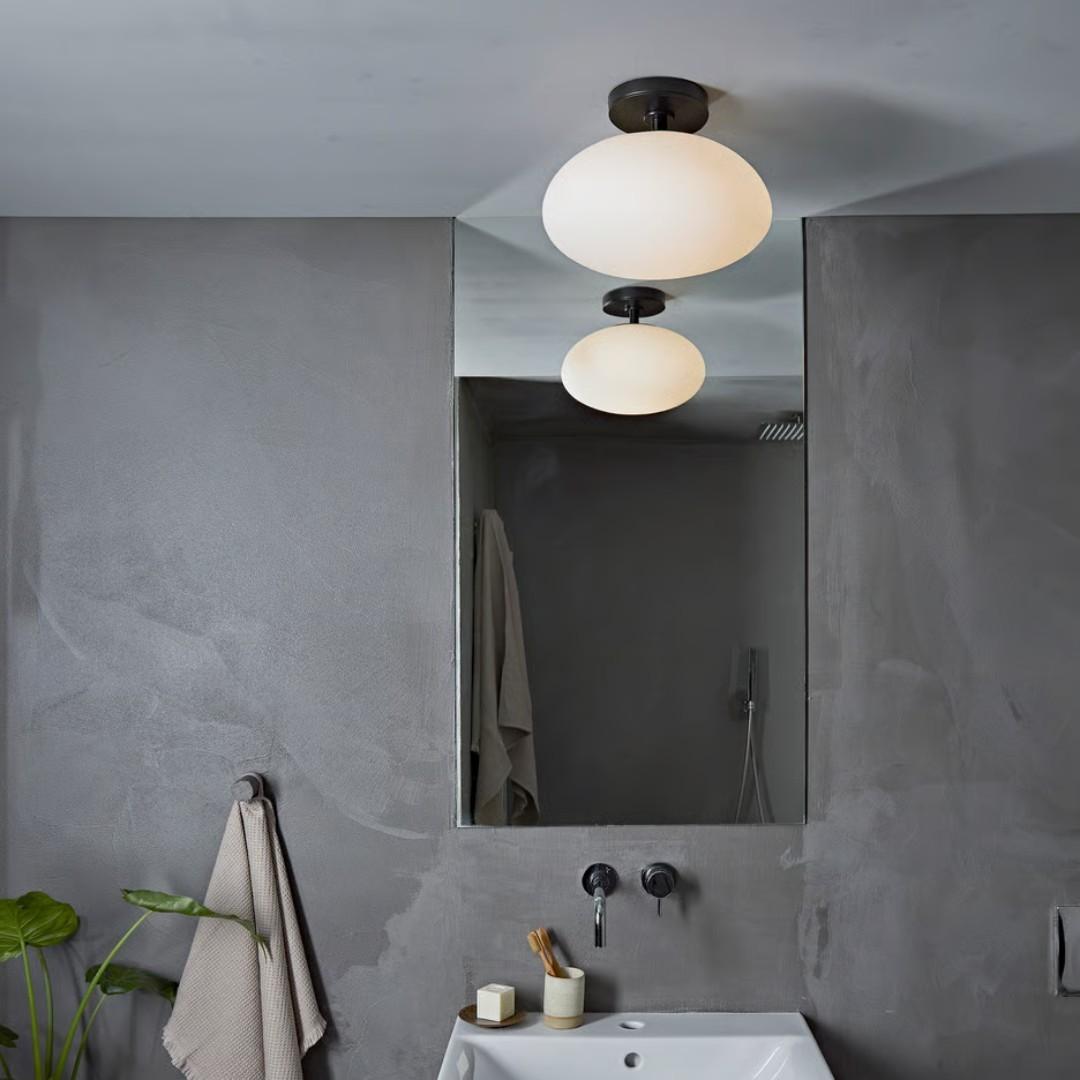
Zeppo Ceiling Light by Astro Lighting
Bathrooms tend to feature a lot of hard surfaces: tile, stone, glass, mirrors, and metal. Lighting is an opportunity to introduce warmth and a more personal design expression.
A sculptural wall sconce can soften the geometry of a tiled wall. Ceramic and textured finishes bring tactile interest to otherwise sleek interiors, while metallic details can complement or deliberately contrast with faucets and hardware.
The shape of a fixture matters, too. A rounded diffuser can introduce softness into a space dominated by straight lines, while a more architectural design can reinforce a bathroom's clean geometry.
In a powder room, where practical lighting requirements may be less demanding than in a primary bathroom, decorative lighting can play an especially expressive role. Just remember that materials and finishes must also be suitable for the intended environment. Not every decorative wall light is approved for installation in a bathroom, particularly in areas exposed to steam or splashing water.
Step 6. Consider the bathroom at different times of day
Luna Wall by Astro Lighting
One of the most useful ways to evaluate a lighting plan is to imagine moving through the space throughout the day. In the morning, you might want bright, even illumination around the mirror. During a late-night visit, you probably don't want to be greeted by an intensely bright overhead light. And when you're taking a bath, softer illumination may be all you need.
Separate switching circuits, dimmers, and carefully considered fixture placement can make a significant difference in how the room functions. It's also worth thinking about how natural light changes throughout the day. A bathroom with a large window may require less artificial illumination during daylight hours, but still needs a well-designed lighting scheme after sunset.
The best bathroom lighting is responsive to how you actually live.
Step 7. Choose lighting designed for the job
Humboldt Sconce 01 Ceramic Wall by Roll & Hill
There are plenty of beautiful lights out there, but bathrooms benefit from fixtures developed with their particular requirements in mind. Astro Lighting, for example, has built an extensive collection of bathroom lighting that brings together contemporary design, practical illumination, and options engineered for moisture-prone environments.
From illuminated mirrors to wall sconces, purpose-designed bathroom lighting can make it easier to find a fixture that suits both the room's aesthetic and its technical needs.
Explore our feature on Astro Bathroom Lighting to learn more about the brand's approach to bathroom illumination.
Good lighting makes the everyday better
Bathroom lighting is about more than being able to see clearly in the mirror. It influences how we experience the space and how comfortably the room supports our daily routines.
Whether you're renovating an ensuite, refreshing a powder room, or planning a bathroom from scratch, a thoughtful lighting scheme can make even the most practical space feel considered.
Explore LightForm's collection of bathroom and vanity lighting, or connect with our team for guidance on finding the right fixtures for your space.
Always consult a qualified electrician to confirm fixture suitability, electrical code compliance, and safe installation.
Shop Bathroom Lighting




 f